Adjustable 925 silver rings
An adjustable sterling silver ring is a 925 silver band that changes its inner circumference, so a single ring can move through 4 to 8 millimetres of finger width without a permanent size. The hallmark 925 stamp is a 92.5% silver alloy, and the size flexibility comes from 3 mechanical systems: the open gap, the telescoping slide and the hinged fit. Because the mechanism adds 2 to 6 millimetres of play, a maker sizes an adjustable ring about 0.5 to 1 UK ring size smaller than the wearer's usual ring to keep the fit snug at the top of its range. Shop4silver is a new, independent project with no affiliation to any previous owner of the shop4silver name.
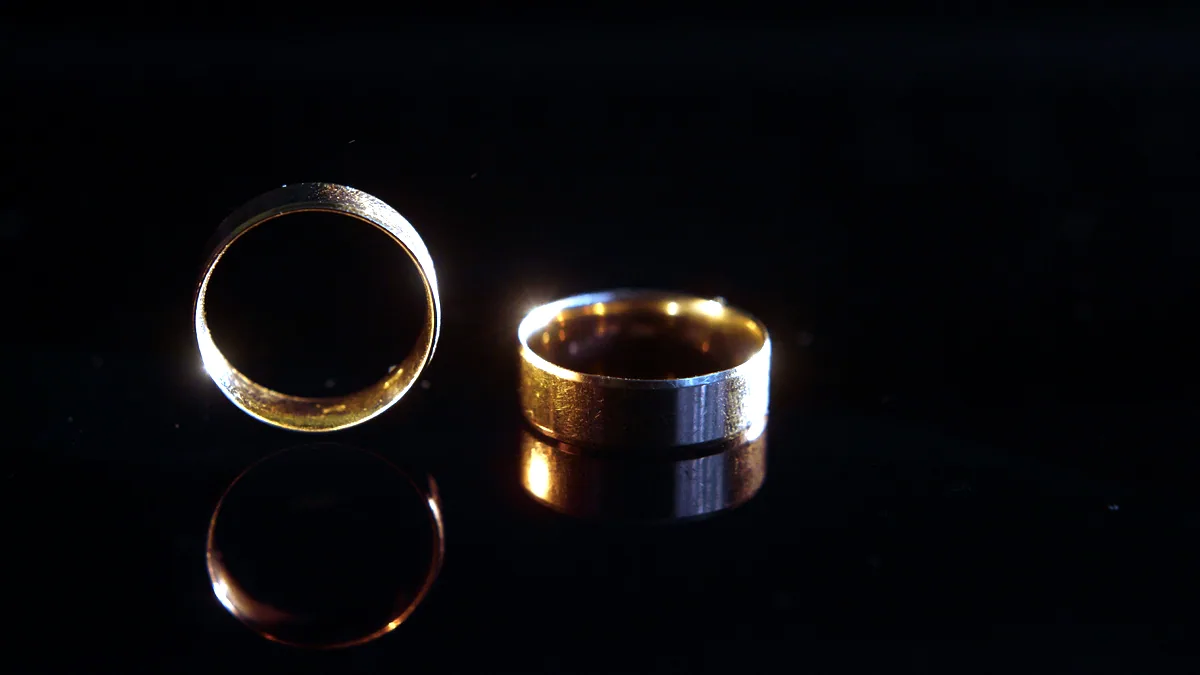
Adjustable sterling silver rings
An adjustable sterling silver ring keeps a fixed 925 core while letting the wearer open or slide the band on the finger. The standard approach is a full 925 band with a 10 to 12 millimetre open gap, which stretches across roughly 4 UK ring sizes, from size P to size T. The gap version is the most common because it is the cheapest to stamp and set, and it holds a single stone or a single row of channel-set beads with no moving part to wear out. The mechanism is also what makes the ring a gifting default: the wearer does not need to report an exact size, so a 4 to 8 millimetre range covers the uncertainty. For daily wear, the open gap adds 1 to 2 millimetres of flex compared with a closed band of the same metal, which keeps the ring comfortable over a 12 hour day.
Types of adjustable ring and how each one moves
Each type of adjustable ring trades a different part of the design for its range, and 3 systems cover nearly every band you will meet in a UK catalogue. The table compares their range, their security and their best use.
| Mechanism | Range | Security | Best use |
|---|---|---|---|
| Open gap | 4 to 8 mm | Low | Gift, occasion, single stone |
| Telescoping slide | 10 to 14 mm | High | Daily wear, two hands busy |
| Hinged fit | 6 to 10 mm | Medium | Wide knuckle, small base |
The open gap is a break in the band, usually 10 to 12 millimetres, that flexes when you close your fist. The telescoping slide is a closed band made of 2 parts, a fixed ring and a thinner inner tube that slides up and down inside it and locks at the size you set. The hinged fit is a band split at 1 or 2 points by a small spring hinge that opens when you pull the band apart, like the clasp of a bangle. Each mechanism suits a different wear pattern, so the next section maps the ring to the hand.
Who adjustable rings suit and who they do not
Adjustable rings suit the hands where a fixed size fails, which is more common than a ring buyer expects. They are a strong fit for 4 groups: people with knuckles 1.5 to 2 UK ring sizes larger than their base, people who have changed weight by 2 to 4 kilograms in the past year, people with 2 to 3 millimetres of seasonal swelling, and gift buyers who cannot measure the finger. They are a poor fit for a ring worn 24 hours a day by a heavy manual worker, where an open gap catches on fabric and a slide can loosen over months of impact. The 925 metal also matters here, because sterling is a soft alloy that scratches and dents at about 2.5 on the Mohs scale, so a high-abrasion job is a reason to choose a harder metal or a closed band. The right buyer matches the mechanism to the hand, not the other way around.
How the mechanisms actually work
Each mechanism works by a different physical move, and knowing the move tells you how to set and how to care for the ring. The open gap works by flex: the band is one piece with a break, so it spreads to a larger diameter when a finger presses it closed and springs back, giving a range of about 4 to 8 millimetres. The telescoping slide works by a lock: the inner tube slides on a smooth bore and stops when a small detent clicks into a matching notch, giving a range of 10 to 14 millimetres and a positive click the wearer can feel. The hinged fit works by a spring: the hinge opens to a maximum of 6 to 10 millimetres and the spring returns the band to its closed rest size, which keeps the ring centred on the finger. All 3 add the same care rule, keep the moving part clean and dry, because a 925 surface dulls when grit or water sits in the gap or the bore for more than a week.
Fitting an adjustable ring to the right size
To fit an adjustable ring, start from the wearer's usual fixed size and set the mechanism to that point, not to its widest or narrowest limit. Measure the base finger with a 20 centimetre strip of paper at 20 to 22 degrees, when the hand is at room temperature and relaxed. Then set the ring so its resting position sits 1 to 2 millimetres smaller than that reading, which keeps the band from sliding off at the narrowest point while still leaving 4 to 8 millimetres of room at the widest. For a telescoping slide, lock the tube at that resting point and check the click holds when you shake the hand. For an open gap, close the gap to 0 millimetres and confirm the band clears the knuckle without a pinch. One fit rule covers all 3 systems: an adjustable ring should rest at the wearer's normal size, not at the top of its range.
Adjustable rings for the 925 sterling silver ring market
In the UK 925 sterling silver ring market, the adjustable band is the default first ring and the default gift ring, and that position is set by 2 prices and 3 reasons. A closed 925 band retails from about 15 to 40 pounds, while the same design as an adjustable band retails from about 25 to 60 pounds, so the mechanism adds a 10 to 20 pound step for the 4 to 14 millimetre of range. The 3 reasons buyers choose the step are: they do not know the exact size, the hand swells in summer by 2 to 3 millimetres, and they want one ring that moves as their weight changes. The 925 stamp does the trust work here, because 92.5% silver is the lowest pure-silver content the UK marks as sterling, and the hallmarked 925 mark, stamped by the London Assay Office or the Birmingham Assay Office, is what separates a genuine band from a silver-plated one that will tarnish at the gap within 6 months. The 4 to 6 milligram weight of a typical adjustable band is also why it feels light enough for daily wear while the 925 core stays solid under a single 3 to 5 carat setting.
Caring for the mechanism and the 925 surface
Caring for the mechanism and the 925 surface is 2 separate tasks that share one tool, a soft cloth, and one rule, do it before the 925 dulls. Wipe the 925 surface with a 925 polish cloth once every 2 to 4 weeks to keep the silver bright, and never use the cloth on the moving part, because the fine abrasive in a polish cloth wears the bore of a slide and the edge of a hinge. Rinse an open gap or a slide under cool running water once a month, then dry the mechanism within 10 minutes, because standing water is what pits the 925 at the join. Store the ring flat, not in a tight ring box with the gap pinched, so the spring of a hinged fit and the spring of an open gap rest in a neutral position. When the range starts to feel loose, a jeweller can reset a slide detent or re-tension a hinge in about 15 to 30 minutes, which is cheaper than replacing the band, since the 925 core is still sound. The 4 to 8 millimetre range holds for years when the 925 core stays clean and the mechanism stays free of grit.