Silver Toe Rings in 925 Sterling Silver
Silver toe rings are 925 sterling silver rings made to sit on a toe, and they come in 2 main forms: the Indian toe ring that wraps the big toe, and the 2-piece toe ring that slides onto a toe and closes around it. A standard pair weighs between 1 and 3 grams, is stamped 925 on the inner band, and sells in the UK from about 10 pounds for a single ring up to 40 pounds for a 5-piece set. This is a new, unaffiliated project; the site restores the category page for silver toe rings in 925 sterling silver, and it is not connected to any previous owner of the shop4silver name. The page below defines the category, lists the styles and materials on sale, and works through the practical questions: which toe to wear one on, how to tell sterling from plating, how to clean a silver toe ring at home, and how the same ring reads in gold and silver combinations.
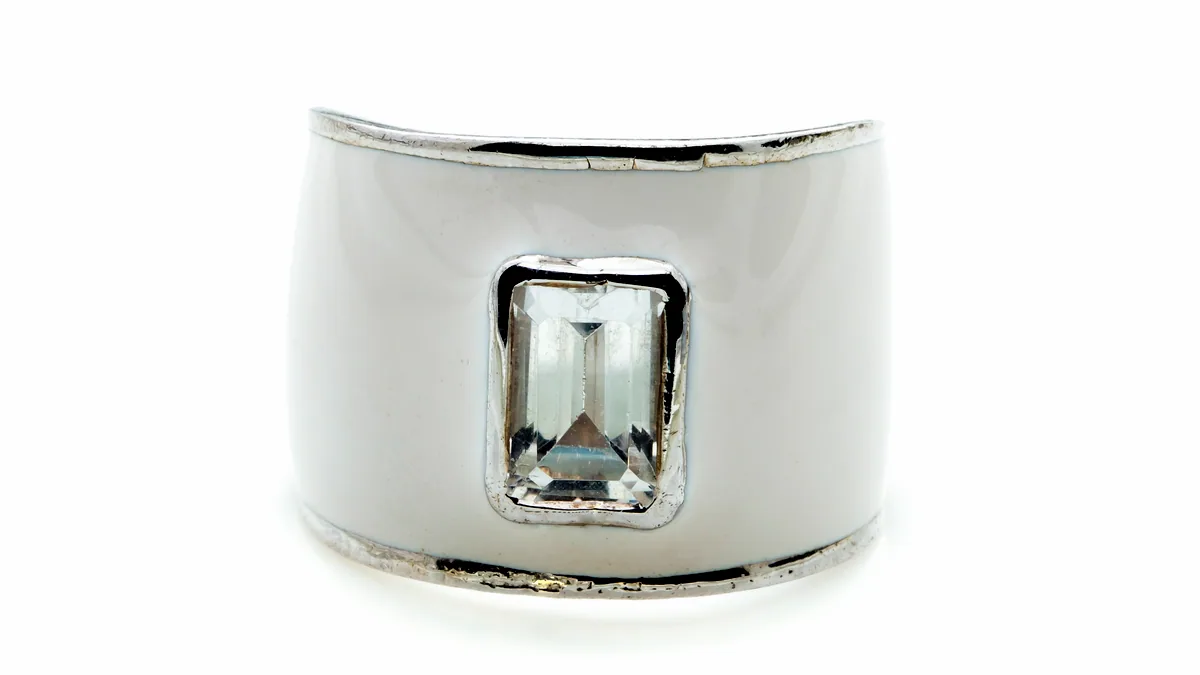
Two anchors set the scale for everything on this page. The first is Indian Silver Toe Rings, the thin, coiled ring that has been worn on the toes of brides and women across South India for centuries; it is the oldest style still sold and the one most of the traditional designs trace back to. The second is 925 sterling silver rings, which is the material class: an alloy of 92.5 percent silver and 7.5 percent copper that carries the 925 hallmark and the price point of solid, not plated, silver. Everything else on the page, the styles, the cleaning routine, the gold and silver pairings, follows from those two anchors.
What a sterling silver toe ring is
A sterling silver toe ring is a small band of solid 925 sterling silver, 2 to 3 mm wide, formed to fit a toe rather than a finger, and sold in the UK either as a single ring or as a set of 3, 5 or 7. The 2 construction types are the rigid ring, which is cast to a fixed size from 2.5 to 4 mm, and the wrap ring, which opens at a hinge or coil and closes around the toe. The material is what makes the category worth a page of its own: sterling holds a 925 hallmark, tarnishes predictably, and outlasts 925 plated or vermeil toe rings by years, because the silver runs the full thickness of the band instead of sitting under a thin coat that wears through at the toe contact point.
Where the UK fits
UK buyers can see the category in 3 channels: the 925 sterling silver rings on this page, hallmarked sets from London and Birmingham assay offices; Indian Silver Toe Rings sold through UK Indian jewellers and online marketplaces; and the 925 plated and vermeil rings on general marketplaces such as eBay that carry the name but not the solid silver. The difference between those 3 channels is the price: a solid sterling toe ring starts around 10 pounds, a 5-piece sterling set runs 20 to 40 pounds, and a plated ring starts under 5 pounds. The hallmarks are the fastest way to sort the 3, and the next section lists them.
Styles of silver toe rings and their prices
The styles of silver toe rings divide into 4 families, and the price of each is set by the weight of solid silver in it. The table below lists the 4 families, the toe each one is built for, and a typical UK sterling price, so a buyer can match a style to a foot and a budget in one pass.
| Style | Toe it fits | Build | Typical sterling price, UK |
|---|---|---|---|
| Indian coiled toe ring (malabar type) | Big toe, worn as a pair | Coiled band, 1 to 2 mm, 1 to 3 grams a pair | 10 to 25 pounds a pair |
| 2-piece wrap toe ring | Any toe | Hinged, 2 to 3 mm wide | 12 to 30 pounds |
| Beaded or studded toe ring | Big toe or second toe | Solid band, 3 to 5 grams | 18 to 40 pounds |
| Gem-set toe ring | Big toe | Setting holds a 1 to 3 mm stone | 25 to 60 pounds |
Two notes make the table usable. First, the beaded and studded designs are the ones the searchers mean when they ask for a silver toe ring design for daily use, because the beads and studs keep the band from riding and the profile stays under 3 mm so it sits flat in a shoe. Second, the price column is for solid 925 sterling only; a ring listed below 8 pounds in this category is almost always plated, and the hallmarks section below is the test that tells the 2 apart. The malabar entry covers the traditional Indian style in its modern, UK-sold form, and the next section handles the gold version of the same pair.
Gold and silver toe rings
The gold and silver toe ring question has a single clean answer: buy the 2 metals as a matched set, not as one ring, because the traditional wearing is a pair of contrasting toes. The classic combination is a solid gold toe ring on the big toe and a 925 sterling silver toe ring on the second toe, worn together as one set of 2. The reason it works is contrast of tone: yellow gold and sterling read as different on the same foot, so a 1 ring mix is a design choice, while a 2 ring mix is a tradition. In the Indian tradition the gold piece is the lead ring and the silver piece is its companion, and the same 2-ring logic is what makes a gold and silver toe ring set sell as one item rather than as 2.
The price of the mixed pair is the sum of the 2 metals, so a gold ring at 20 to 40 pounds plus a sterling ring at 10 to 25 pounds puts a matched set in the 30 to 65 pound band. One caution belongs here: a gold-coloured toe ring that is not stamped 925 and marked with a karat, such as 14k or 18k, is plated gold over silver or base metal, and it will wear to the silver at the toe within months. The hallmarks are the only reliable test, and they are the subject of the next section.
Telling 925 sterling from plated silver
925 sterling silver rings and their plated lookalikes differ in 3 measurable ways, and any one of them settles the question. The 3 tests are the hallmark, the weight, and the magnet, and they take a total of 2 minutes at home with a set of scales and a fridge magnet. A genuine 925 piece carries the 925 stamp on the inner band, and UK hallmarked pieces add the assay office mark, the lion for sterling, and the 1 letter date mark, so a hallmarked toe ring from a London or Birmingham office shows 4 marks, not 1. A solid sterling ring of the 2 to 3 mm build weighs 1 to 3 grams, while a plated ring of the same size weighs under 1 gram because the metal underneath is lighter. And a magnet will not move on either, so the magnet only rules out a steel base; the weight and the stamp are the 2 that decide it.
The weight rule of thumb
The weight rule is the one a buyer can run in a shop or in the post: divide the grams by the band width and a real 925 toe ring lands near 1 gram per millimetre of width, so a 2 mm band should weigh about 2 grams. A ring that is 2 mm wide and weighs 0.4 grams is plated, because solid silver cannot be that light at that width. This is the same reason the price column in the styles table never dips below 10 pounds for solid sterling; the silver in the band is what the price is buying.
How to clean a silver toe ring at home
To clean a silver toe ring at home, use a 3 ingredient paste of 2 teaspoons of bicarbonate of soda, 1 teaspoon of warm water, and a soft cloth, and the whole routine takes 4 minutes. The routine is 4 steps, and the order matters because the ring is worn on the toe and must be bone dry before it goes back on.
- Rinse the ring under warm water and dry it with a soft cloth to lift the surface skin oils.
- Mix the 2 teaspoons of bicarbonate of soda with 1 teaspoon of warm water into a paste.
- Rub the paste along the band for 30 to 60 seconds with a soft cloth, then rinse it off completely.
- Dry the ring for 2 minutes on a towel before wearing it, so no water sits on the skin of the toe.
Two rules keep the ring from being damaged. Use the soft cloth and never a scouring pad, because a pad scratches the 925 surface and a scratched band tarnishes faster in the scratches. And for a gem-set ring, clean the band only and skip the stone, because the paste can loosen a setting or dull a cut stone. This home routine is for daily upkeep of a solid sterling ring; a deep black tarnish that will not lift in 4 minutes is the point to send the ring to a jeweller for a professional polish rather than pushing the paste harder.
Why wear silver toe rings and daily care
To wear silver toe rings every day, the reason to choose sterling is that it is the one finish that stays pleasant on bare skin, and the 3 practical benefits are why the category outlasts the plated versions. The first benefit is that 925 sterling is a stable metal on skin, so a ring worn on a toe, where it sits in a warm, moist shoe, does not react the way a base metal plating does. The second benefit is that the coiled and wrap styles are removable in seconds, which is the daily-care answer to the toe-ring question: the ring comes off for a shower, a long walk, or a pedicure, and goes back on when it is dry. The third benefit is that sterling tarnishes evenly and reversibly, so the 4 minute home clean above restores the shine and the ring does not need replacing the way a worn-through plating does.
The health question that comes up with toe rings has one honest answer, and it belongs in this section because it is asked alongside the daily-wear question. Wearing a silver toe ring is a tradition, not a treatment; there is no 925 sterling content that cures a foot condition, and a ring that pinches, blisters, or is worn on a cracked or infected toe should be taken off and the toe checked. The safe way to wear a silver toe ring daily is a ring that fits the toe with room to move, a size chosen from a measurement rather than a guess, and the 2 minute dry before it goes back on after a clean. Worn that way, a sterling toe ring is a durable daily piece: the same pair that starts at 10 pounds can be cleaned and re-worn for years, which is the full case for the category, from the Indian coiled pair on the big toe to the solid 925 wrap ring on the second.
Where to start
Other sections
Inherited addresses in this section
/toe-rings-645Silver Toe Rings in 925 Sterling Silver