CZ rings in 925 silver
A cubic zirconia silver ring is a ring made from cubic zirconia (CZ), a laboratory-grown zirconium dioxide (ZrO2) stone, set in 925 sterling silver, a silver alloy stamped 925 for its 92.5 percent silver content. The 0.05 carat band of everyday sterling silver rings is what makes this a budget build: a 6 mm round CZ costs a small fraction of the same stone in diamond, while the 925 base carries the same polish as the fine silver a jeweler uses. That is the whole deal, and it is the reason the rings sit between costume jewellery and real diamond rings on the shelf.
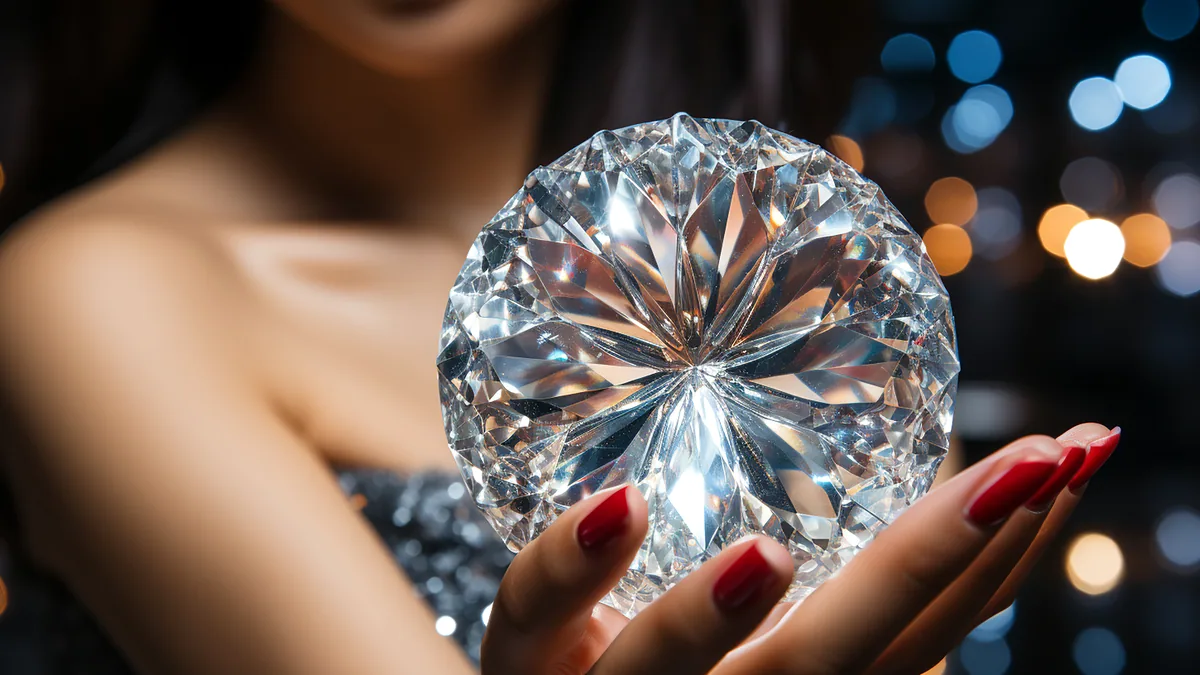
Because the stone and the metal are both well defined, the price holds. A 925 sterling silver rings set with a 1.5 carat solitaire CZ typically lands around the price of a mid-range watch, and the metal itself is the same 92.5 percent silver you would pay far more for in a plain band. The budget is not in the sparkle, which is high, it is in what you would otherwise pay for a real diamond.
What Cubic Zirconia Is
Cubic zirconia is a man-made crystal, and that is the answer to the question of whether it is real. It is genuine zirconium dioxide grown in a kiln, not a plastic or glass imposter, so a CZ ring is a real ring with a real stone. What it is not is a diamond: it is harder and cheaper, and it was first produced in 1976 as a diamond alternative. The number that separates it from a real diamond is the refractive index. Cubic zirconia refracts light at about 2.15, while a diamond sits near 2.42, which is why a diamond flashes a touch more fire while a CZ leans on brilliance and size for its sparkle.
The same 925 sterling silver rings that hold a CZ also hold diamonds, sapphires and moissanite, so the setting you choose is not tied to the stone. The ring is real, the stone is real, and only the price is the bargain.
Is Sterling Silver Cubic Zirconia Real
Yes, the ring is real, and the test is the stamp. Look for the 925 hallmarks, which appear as 925, S925 or Sterling, on the inside of the band, and the stone should pass a simple look: a genuine CZ shows strong white sparkle but no strong rainbow fire the way a diamond does. A 925 silver engagement ring bought from a named jeweler is a genuine piece, and the price difference is the market, not a defect.
Two points separate a real ring from a cheap one. The first is the 925 stamp, and the second is that the seller names the stone as cubic zirconia rather than calling it a diamond. If both are true, the ring is exactly what it says it is.
CZ Cuts and the Rings They Make
The cut decides the silhouette of a CZ ring, and each popular cut maps to a distinct ring shape. A round brilliant gives the classic solitaire, an emerald cut gives the stepped baguette look, and a trillion gives the angular halo style. The table below lines up the cuts with the ring they produce and the setting that suits them.
| Cut | Ring style | Typical setting | Look | |
|---|---|---|---|---|
| Round brilliant | Solitaire | 4 or 6 prong | Classic, maximum sparkle | |
| Emerald | Baguette step | Channel or bezel | Elongated, clean lines | |
| Trillion | Halo | Bezel halo | Angular, modern | |
| Heart | Heart ring | Prong or pave | Romantic, statement | |
| Marquise | Infinity or halo | Channel | Curved, continuous |
For a baguette ring in particular, the emerald cut is the standard, and the channel setting keeps the long stones flat against the band so they read as one continuous line rather than a row of separate stones. The same cut logic applies whether the ring is a solo stone or part of a cluster.
Engagement Rings: Solitaire, Halo and Cluster
For the engagement question, a 925 silver engagement rings set with CZ delivers the solitaire, halo and cluster silhouettes at a price a real diamond would not. The solitaire puts one stone in the middle and lets the cut do the work; the halo surrounds a smaller center stone with a ring of micro-pav CZ and makes it read larger; and the cluster groups three to five stones so the size comes from the group, not a single stone. A 3.0 carat look is easy to reach with a 1.5 carat center under a halo.
Names such as Revere and Giani Bernini are the jeweler brands that sell exactly these CZ sterling silver designs, and Revere's cubic zirconia sterling silver engagement ring line is the budget alternative to its diamond line. Choosing by cut first and brand second keeps the decision on the stone rather than the label.
Heart, Infinity and Bow Styles
The heart, infinity and bow styles are the statement shapes, and each keeps its own geometry inside 925 sterling silver. A heart ring uses a heart-shaped or marquise CZ with a pointed lower facet, an infinity ring threads two marquise or pear CZ stones in a continuous loop so the band has no beginning or end, and a bow ring sets a row of small CZ as a tied ribbon across the finger. These are the styles a buyer picks for a specific meaning rather than a specific stone size.
Because the metal is 925 sterling silver rings throughout, the meaning carries in the shape, and the CZ carries the sparkle, so the two budgets, one for the metal and one for the stone, stay separate and honest.
How CZ in 925 Silver Wears and Tarnishes
Cubic zirconia does not fade or chip in normal wear, but the 925 silver around it can tarnish, and that is the one thing a buyer should plan for. Tarnish is a thin dark layer of silver sulfide that forms when the alloy meets sulfur in air, food and skin, and it shows up as a dull grey film after weeks rather than days. The fix is routine: wipe with a soft cloth, keep the ring off in the shower and away from perfumes, and store it in a sealed pouch.
For everyday pieces, a 925 sterling silver rings with a rhodium or PVD coat resists the dark film longer, and a plain 925 band stays bright for a few months with regular cloth care. The stone keeps its sparkle the whole time; only the metal needs the attention.
Choosing Your Ring
Pick the cut first, then the setting, then the stone size, and the budget lands where the sparkle is, not in the metal. A 4 mm round solitaire in a 6 prong head is the safe first ring, a 1.5 carat halo is the engagement pick, and a 925 silver engagement rings in a cluster is the best value for the amount of stone. For a partner who wears rings daily, a lower profile bezel holds the CZ more securely than a tall prong head, and a toe ring or a 925 silver engagement rings with a small stone suits the finger that gets knocked.
Men's 925 silver rings with a CZ tend to be plain bands or a single set stone, and they skip the halo and cluster styles that the women's lines lead with. The metal is the same 925 base, and the stone is the same cubic zirconia, so the difference is the silhouette, not the material. The ring is real, the price is a bargain, and the choice comes down to which cut fits the finger.